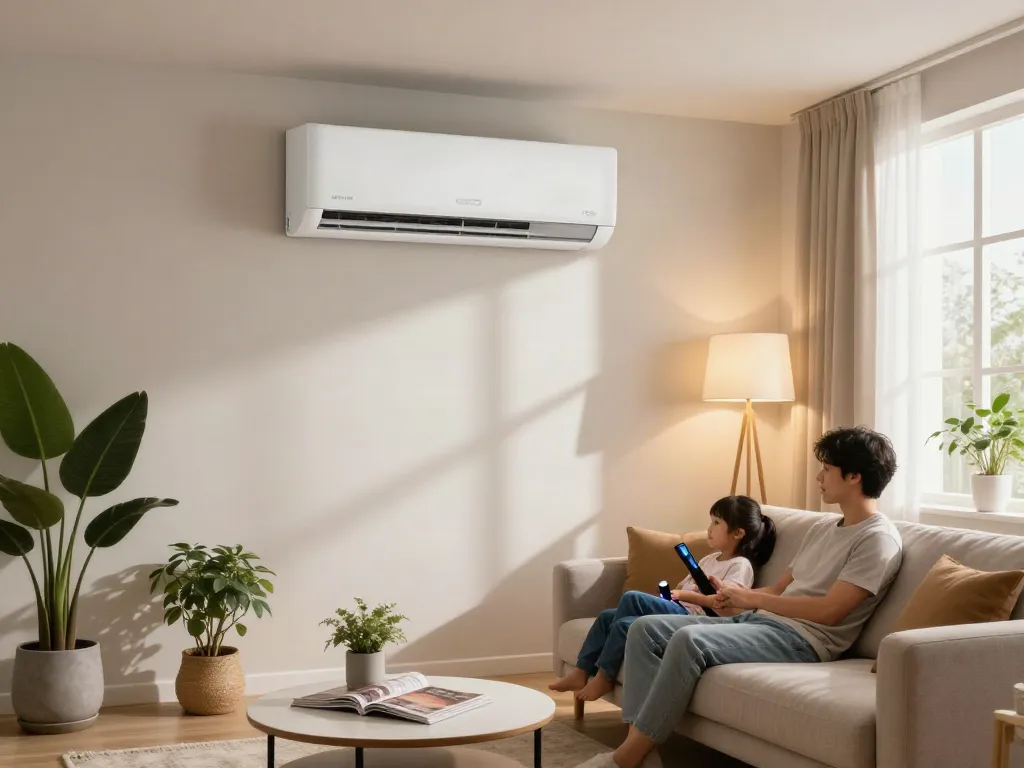
Understanding Split AC Units
As temperatures soar during the summer months, the need for efficient cooling solutions becomes a priority for homeowners and businesses alike. Among the various options available, one standout choice is the split AC unit, known for its versatility and effectiveness in managing indoor climates. When exploring options, split ac unit systems offer a plethora of benefits that can enhance comfort while also providing energy-efficient cooling. This article delves into what split AC units are, their advantages, and how they operate, paving the way for informed decisions about your cooling solutions.
What is a Split AC Unit?
A split AC unit, commonly known as a ductless mini-split system, consists of two main components: an outdoor condenser and one or more indoor air handling units. This separation allows for flexible installation and zone control, enabling users to cool specific areas of their homes or offices without the need for extensive ductwork. These systems are particularly popular in urban environments where space is at a premium, as they can be discreetly mounted on walls or ceilings. The primary function of a split AC unit is to provide efficient cooling and, in some models, heating, making them a versatile option for year-round climate control.
Benefits of Using Split AC Units
Choosing a split AC unit offers several advantages over traditional window units or central air conditioning systems. Some of the key benefits include:
- Energy Efficiency: Split AC units are known for their high energy efficiency ratings, often using less electricity to cool the same area compared to traditional systems.
- Quieter Operation: With the compressor located outside, split units operate more quietly, ensuring a peaceful indoor environment.
- Flexible Installation: The design of split systems allows for installation in locations where traditional ductwork is impractical, making them ideal for older buildings.
- Zone Control: Multiple indoor units can be installed to provide customized cooling for different areas, allowing for energy savings when certain rooms are not in use.
How Split AC Units Work
The operation of a split AC unit revolves around the principles of heat exchange. The outdoor condenser unit absorbs heat from the outside air and transfers it to the refrigerant within the system. This refrigerant then moves to the indoor unit, where it releases the heat into the room while cooling the air. The cooled air is then circulated throughout the space, providing a comfortable atmosphere. This cycle continues until the desired temperature is reached, at which point the unit moderates its operation to maintain the set temperature.
Energy Efficiency and Cost Savings
One of the most compelling reasons to consider a split AC unit is the potential for significant energy savings. By utilizing advanced technology and operational efficiencies, these systems can dramatically reduce energy consumption, which translates into lower utility bills.
Comparing Split AC Units to Traditional Units
When comparing split AC units to traditional window units or central air conditioning systems, the differences become apparent. For instance, traditional units often require extensive ductwork, which can lead to energy loss through leaks and inefficient airflow. In contrast, split units provide direct cooling without the need for ducts, making them inherently more efficient. Furthermore, split systems typically have higher SEER (Seasonal Energy Efficiency Ratio) ratings, indicating better energy performance during peak cooling times.
Calculating Potential Energy Savings
To understand the potential energy savings that can be realized with a split AC unit, it is essential to consider factors such as the size of the unit, the efficiency rating, and the local climate. Homeowners can utilize online calculators to estimate energy costs based on their current system and compare it to the estimated costs with a split AC system. Over time, the initial investment in a split AC unit can be offset by the substantial savings on energy bills.
Incentives for Energy-Efficient Appliances
Many regions offer incentives, such as tax credits or rebates, to encourage the adoption of energy-efficient appliances, including split AC units. It's worth researching local programs that may apply when purchasing a new system—these incentives can further reduce the overall cost and make the transition to a more efficient cooling solution even more budget-friendly.
Installation and Maintenance Best Practices
Proper installation and maintenance are critical for ensuring that a split AC unit operates effectively and efficiently throughout its lifespan. Here, we outline key steps to optimize installation and upkeep.
Step-by-Step Installation Guide
Installing a split AC unit is typically a straightforward process, though it is recommended that a professional HVAC technician be employed for optimal results. Here’s a general overview of the installation steps:
- Choose the location for the indoor and outdoor units, ensuring they are appropriately distanced for refrigerant line connection.
- Mount the indoor unit on the wall, making sure it is level and securely attached.
- Install the outdoor unit and connect it to the indoor unit using the refrigerant and electrical lines.
- Test the system for functionality to ensure proper operation.
Routine Maintenance Tips for Longevity
Regular maintenance is essential to prevent breakdowns and extend the life of your split AC unit. Key maintenance tasks include:
- Cleaning or replacing filters every month during peak usage to ensure optimal airflow.
- Checking the drain line for blockages to prevent water damage.
- Scheduling professional maintenance at least once a year to inspect and service the unit.
Common Installation Mistakes to Avoid
While installing a split AC unit is manageable, several common mistakes can lead to inefficiencies or costly repairs. Avoid the following pitfalls:
- Failing to properly measure the area for the correct size unit.
- Neglecting to ensure adequate drainage for condensate.
- Inadequate insulation of the refrigerant lines, leading to energy loss.
Choosing the Right Split AC Unit for Your Home
With a variety of options available, selecting the right split AC unit for your home requires careful consideration and research. Here are essential factors that should influence your decision.
Factors to Consider When Selecting a Unit
To make an informed decision, consider the following factors:
- Cooling Capacity: This is typically measured in BTUs (British Thermal Units). The higher the BTU rating, the larger the space the unit can effectively cool.
- Energy Efficiency Ratio: Look for units with higher SEER ratings to maximize energy savings.
- Noise Levels: Check the decibel rating of the unit if noise is a concern, particularly for bedrooms or quiet spaces.
Top Brands to Look for in 2026
As of 2026, several brands have established themselves as leaders in the mini-split market. These brands include:
- Mitsubishi Electric: Renowned for reliability and performance.
- Daikin: Offers innovative features and high energy efficiency.
- LG: Known for stylish designs and advanced technology integration.
How to Size Your Split AC Unit Correctly
Correct sizing of a split AC unit is crucial for achieving optimal performance. An undersized unit will struggle to cool the space, while an oversized unit can lead to high energy costs and humidity issues. It’s advisable to use a BTU calculator or consult with professionals to determine the correct size based on factors such as room size, insulation quality, and local climate conditions.
Future Trends in Air Conditioning Technology
The air conditioning industry is continually evolving, with new technologies and trends shaping how we cool our environments. Understanding these trends can help consumers make forward-thinking decisions about their HVAC systems.
Smart Technology Integration in AC Units
Smart technology integration is becoming increasingly common in air conditioning systems, including split AC units. Features such as Wi-Fi connectivity, mobile app controls, and compatibility with smart home devices allow homeowners to manage their cooling systems more effectively. This technology not only enhances convenience but can also lead to increased energy efficiency by allowing precise control over when and how the system operates.
Innovations in Energy Efficiency
The push for energy-efficient solutions is driving innovations within the air conditioning industry. For example, variable speed compressors can adjust their output based on cooling demand, resulting in significant energy savings. Additionally, advancements in refrigerants with lower global warming potential are being adopted to further reduce the environmental impact of cooling systems.
Predictions for the AC Market by 2026
As we look towards 2026, the air conditioning market is expected to see continued growth, especially as more consumers prioritize energy efficiency and sustainable solutions. We anticipate that the popularity of split AC units will increase, driven by technological advancements, affordability, and a growing awareness of environmental issues.
What is the average lifespan of a split AC unit?
On average, a well-maintained split AC unit can last between 15 to 20 years. Factors such as usage, maintenance, and local climate can affect this lifespan, with frequent maintenance contributing to longevity.
How much does it cost to install a split AC unit?
The cost of installing a split AC unit can vary widely based on factors such as the system's size, brand, and installation complexities. On average, homeowners might expect to pay between $3,000 to $7,000, including the cost of the unit and professional installation.
What size split AC unit do I need for my room?
The size of the split AC unit you need will depend on the room's square footage and other factors, including ceiling height and insulation. A BTU calculator can help you determine the appropriate size for your specific space.
Are split AC units noisy?
Generally, split AC units operate more quietly than traditional window units due to their design. The outdoor compressor minimizes noise levels within the living space, making them suitable for residential use, even in bedrooms.
Do split AC units also provide heating?
Many split AC units are designed with heat pump capabilities, allowing them to provide both cooling and heating functions. This versatility makes them an excellent choice for year-round climate control.